


By Nigel Tawanda Pfunde
Harare- IN a significant move that signals a broader shift in Western policy towards Zimbabwe, the United Kingdom has officially de-listed four high-profile individuals and one state-owned entity from its Zimbabwe Sanctions Regime.
The development, confirmed on May 27 marks a possible turning point in the strained relationship between Zimbabwe and Western powers.
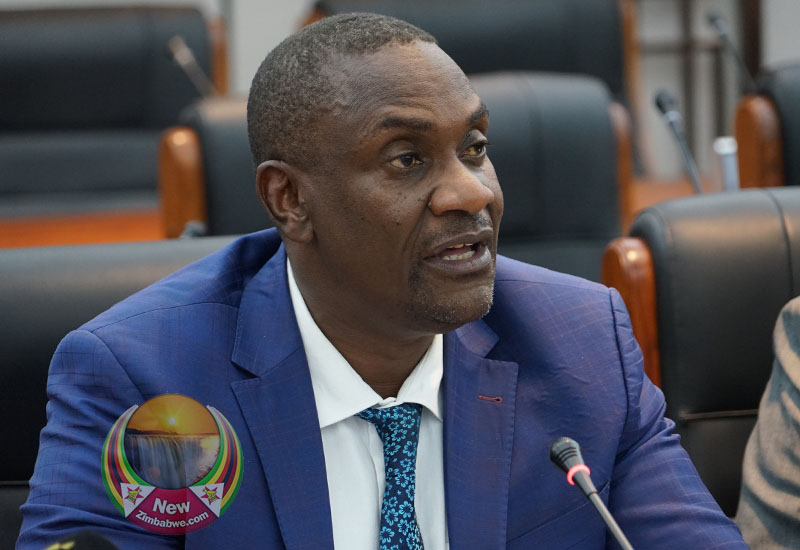
The individuals removed from the UK sanctions list include former State Security Minister Owen Ncube, Brigadier-General Anselem Nhamo Sanyatwe, former Police Commissioner-General Godwin Matanga and former Central Intelligence Organisation Director-General Isaac Moyo.
Also removed was the Zimbabwe Defence Industries, a key player in the country’s military procurement apparatus.
The UK’s move follows a surprising policy shift by the United States
which earlier this year removed several Zimbabwean individuals and entities from its own sanctions list.
This reversal has been interpreted by analysts as a recalibration of Western strategy in dealing with Zimbabwe’s leadership , possibly moving from punitive isolation to cautious engagement.
For years, the United States and UK sanctions targeted individuals and institutions accused of human rights abuses, electoral manipulation, and corruption.
However, the recent de-listings suggest a reassessment of the effectiveness of such measures, particularly amid growing geopolitical competition on the African continent and China’s deepening ties with Harare.
Diplomatic sources indicate that the decision to remove the sanctions was not made lightly and comes after months of behind-the-scenes negotiations and pressure from regional stakeholders.
Observers say that while the move does not signal full normalization of relations, it may be an overture towards reengagemen one that reflects shifting priorities in Washington and London.
Zimbabwean authorities have welcomed the developments with government insiders describing them as “long overdue.”
They argue that the sanctions have stifled economic recovery and unfairly targeted individuals committed to national security and sovereignty.
Human rights groups however emain cautious warning that the de-listings must not be seen as a clean slate.
“Accountability must not be sacrificed for geopolitics. “Progress must be measured not just in policy shifts but in real improvements in governance and human rights,” said Zowa Chapeyama a political analyst.
As the dust settles on this latest diplomatic development, all eyes are now on the future trajectory of Zimbabwe’s international relations and whether these symbolic removals will lead to substantive political and economic reform.